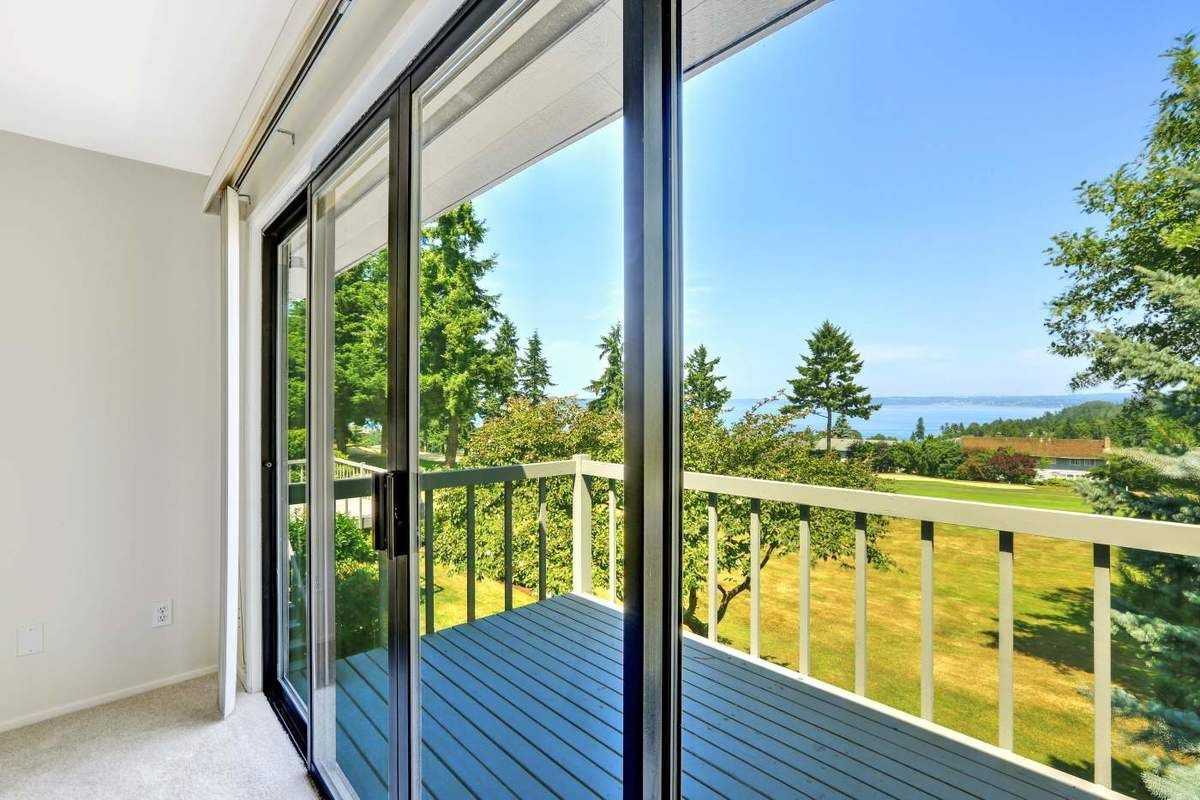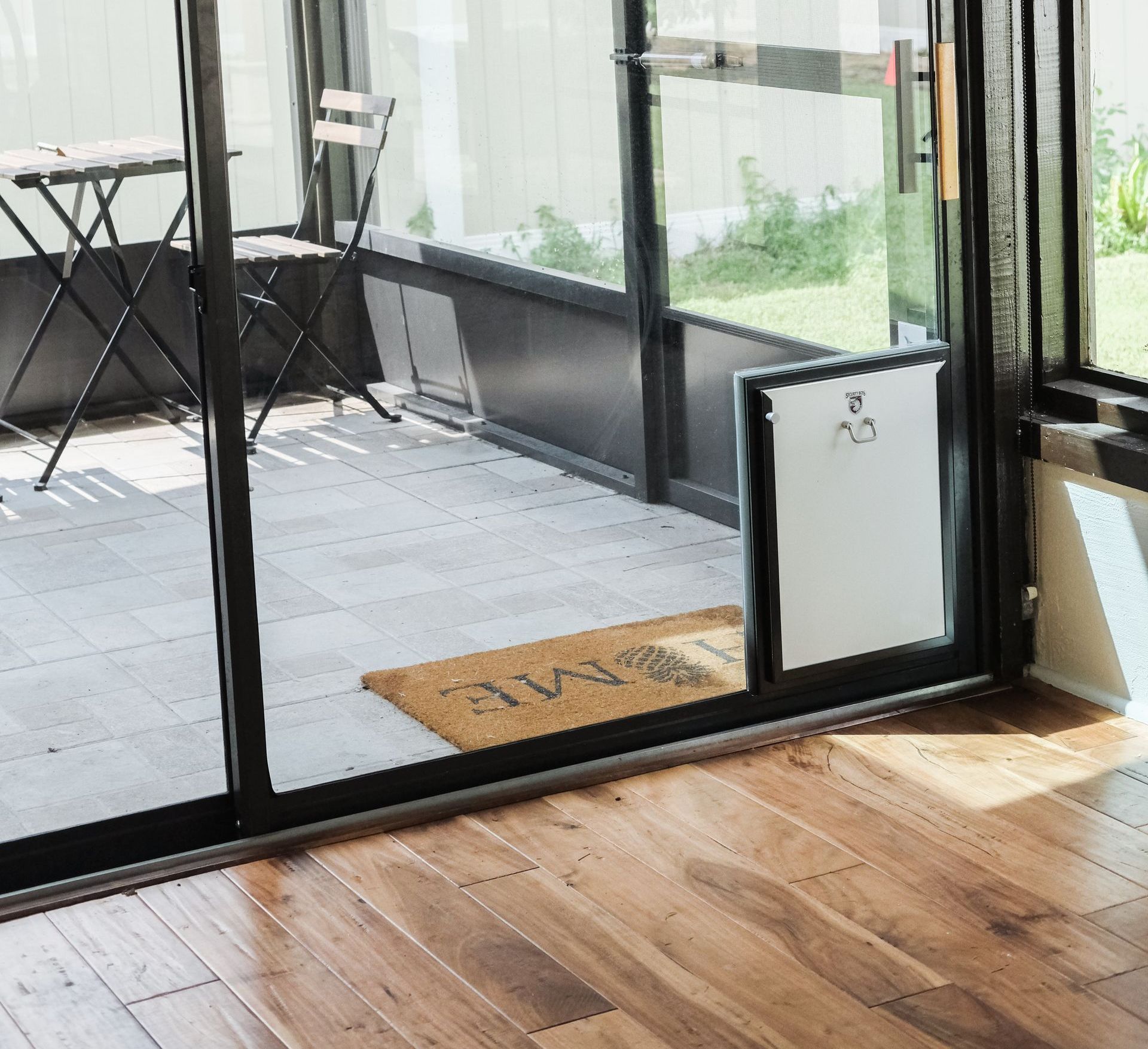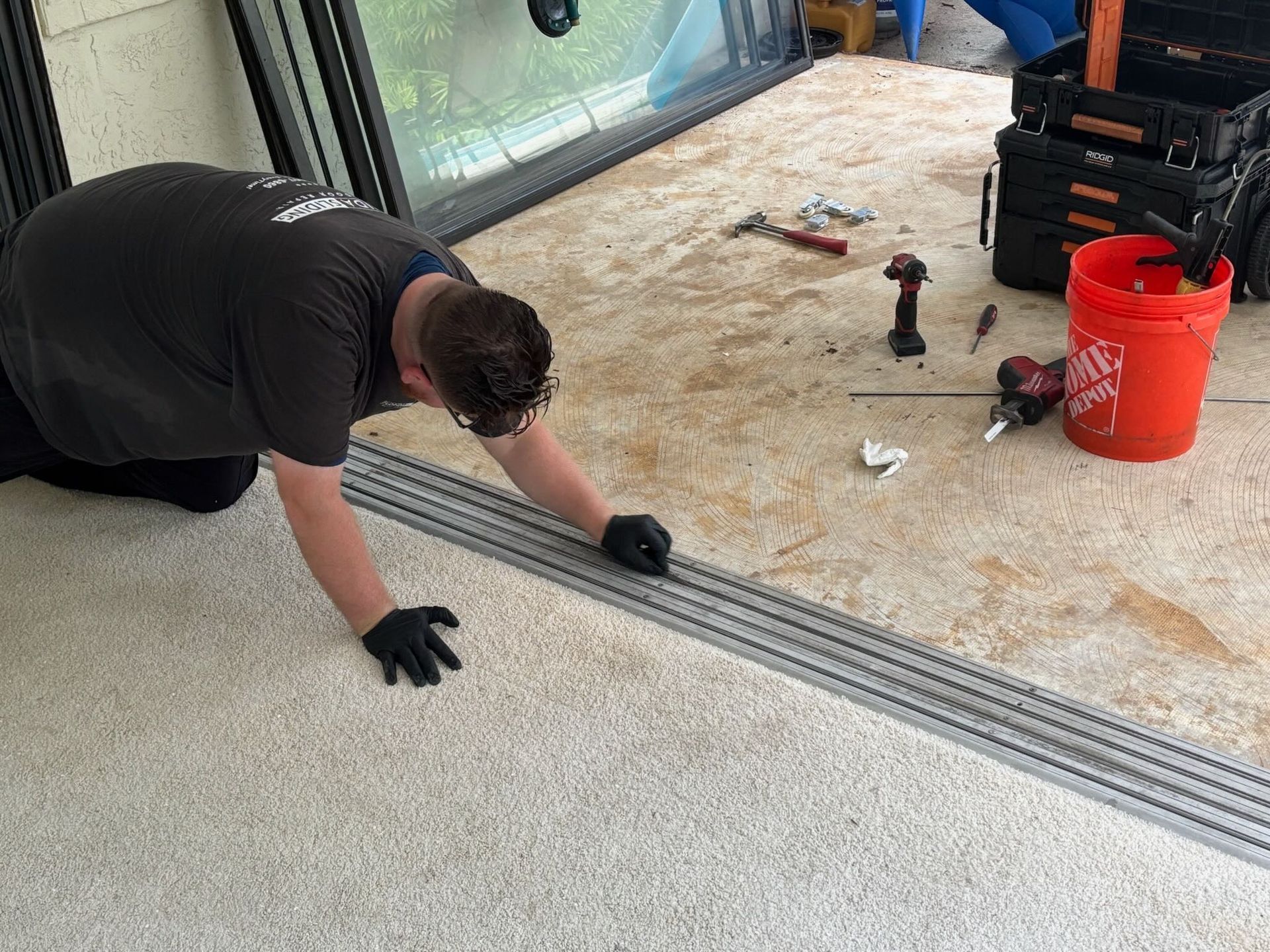





Is there any sound more frustrating than the grind, scrape, and shudder of a stubborn sliding glass door? You give it a good pull, and it barely budges. You try to shove it from the other side, and it protests with a screech that sets your teeth on edge. That beautiful gateway to your patio, pool, or backyard paradise has become a daily source of annoyance. In Florida, where our homes are designed to blend indoor and outdoor living, a sliding door that doesn’t slide is more than just an inconvenience - it’s a barrier to the lifestyle you love.
If you’re tired of wrestling with your door, you’ve come to the right place. Many homeowners assume that a difficult sliding door is a permanent problem, something they just have to live with until they can afford a costly replacement. But that’s simply not true! Most issues are caused by a few common, repairable problems. This guide is designed to empower you, the homeowner, to understand what’s going on with your door, how to maintain it properly, and when it’s time to call in the experts. Let's get that door gliding smoothly again.
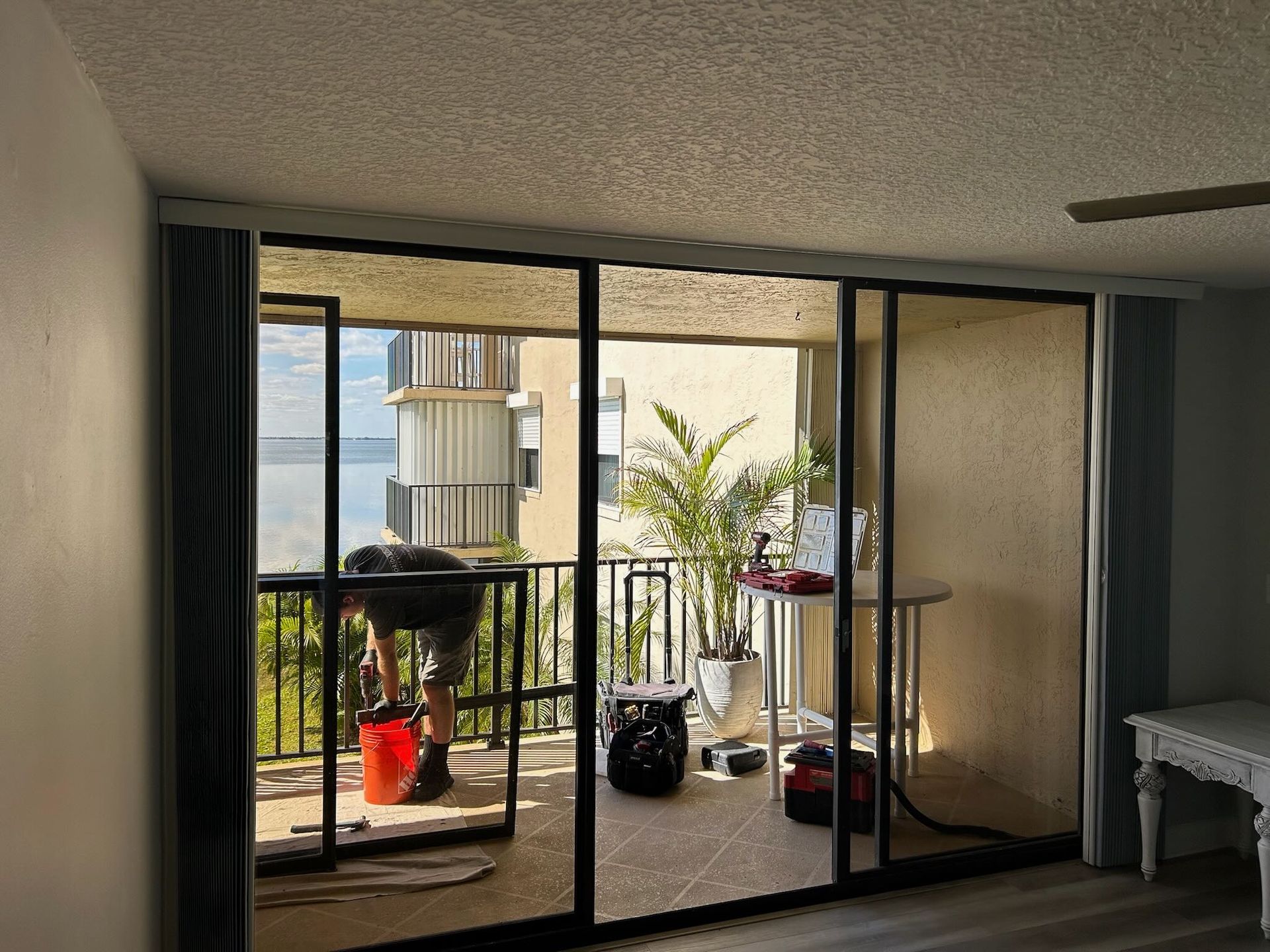
Why a Stubborn Sliding Door Is More Than Just Annoying
That daily struggle with your sliding door might seem like a small thing, but the impacts can ripple out, affecting your home’s security, your energy bills, and even your safety. It’s not just about convenience; it’s about maintaining a safe and efficient home. Ignoring the problem won’t make it go away, and it will likely lead to bigger, more expensive issues down the road.
1. A Major Security Risk
A sliding glass door that doesn’t close properly is a serious security vulnerability. When rollers are worn or the track is misaligned, the door may not sit flush within its frame. This can create gaps that prevent the locking mechanism from engaging correctly. You might think your door is locked, but a weak or misaligned latch can be easily jiggled or forced open from the outside. Worn-out components can make the entire door feel loose and wobbly, making it easier to lift off its tracks - a common technique used by burglars. A secure home starts with secure entry points, and a faulty sliding door is an open invitation for trouble. For more specific issues, our guide to Sliding Glass Door Lock Repair can provide deeper insights.
2. Skyrocketing Energy Bills
Florida is hot. We rely on our air conditioning for months on end to stay comfortable. A poorly sealed sliding door is like leaving a window open all day long. Those small gaps between the door and the frame, caused by worn-out weatherstripping or a misaligned panel, allow your precious cool air to escape while letting hot, humid air seep in. Your AC unit has to work harder and run longer to maintain the temperature you’ve set, leading to a noticeable spike in your monthly electricity bill. Over time, this constant strain can also lead to premature wear and tear on your expensive HVAC system. Sealing those gaps isn’t just about comfort; it’s a smart financial move.
3. The Loss of Your Indoor-Outdoor Lifestyle
Let’s face it, one of the best parts of living in Florida is the ability to easily step outside into the sunshine. Your sliding door is the portal to your backyard, your lanai, your pool deck. When it’s a pain to open, you use it less. You’re less likely to host that impromptu barbecue, let the kids run in and out, or simply step outside to enjoy your morning coffee. It disrupts the natural flow of your home. Furthermore, in an emergency, a stuck door can be a genuine safety hazard, blocking a critical exit route. A smoothly operating door is essential to fully enjoying the home you’ve created.
Ready to get your door back on track? Don’t let a small problem turn into a big one. Call Florida Sliding Glass Door Repair today for a free quote!
Your Proactive Plan: The "Diagnose, Clean, Maintain" Framework
So, how do we go from a door that fights you every step of the way to one that glides with the touch of a finger? The secret isn’t a secret at all: it’s about being proactive instead of reactive. Think of your sliding glass door like your car. You wouldn’t drive your car for 50,000 miles without an oil change, right? You know that small, regular maintenance tasks prevent catastrophic failures. Your sliding door is a simple machine that carries a very heavy load - that glass panel can weigh hundreds of pounds! - and it needs the same kind of care.
Our core strategy is a simple framework: Diagnose, Clean, and Maintain.
This approach helps you understand the root cause of the problem, tackle the most common issues yourself, and know when it’s time to call for professional help. By understanding how your door works, you can save yourself a lot of headaches and money.
Understanding the "Big Three" Components
Your sliding door system is surprisingly simple. The vast majority of problems come from three key areas:
1. The Rollers: These are the unsung heroes of your door. Tucked away underneath the door panel, these little wheels are responsible for carrying the entire weight of the door. Over time, humidity and salt in the Florida air can cause them to rust and corrode. Dirt, sand, and pet hair get clogged in the wheels, causing them to grind and seize up. When the rollers fail, the door drags instead of rolls. This is the number one cause of a "stuck" door. Getting them fixed often involves a professional Sliding Glass Door Roller Replacement.
2. The Track: If the rollers are the wheels, the track is the road they drive on. For the door to move smoothly, this road needs to be clean, straight, and undamaged. In Florida, it’s incredibly common for the track to fill up with sand, dirt, and other debris blown in from outside. This grit creates immense friction and can stop the rollers in their tracks. Over time, a door with bad rollers being forced open and shut can actually damage the track itself, causing dents, dings, or even warping it out of shape. A damaged track often requires a specialized Sliding Glass Door Track Repair.
3. The Lock, Handle, and Alignment: This group includes the parts you interact with every day. The handle can become loose, the lock can get stiff, and the alignment of the door itself can get knocked out of whack. If the door isn’t hanging perfectly straight, the latch won’t line up with the strike plate in the door jamb, making it difficult or impossible to lock. Sometimes the problem isn’t that the door is hard to slide, but that it’s impossible to secure.
DIY vs. Calling the Experts at Florida Sliding Glass Door Repair
Part of this proactive framework is knowing your limits. A thorough cleaning of the track is a fantastic and highly effective DIY task that every homeowner should do regularly. However, many other repairs, especially those involving the rollers, require lifting the extremely heavy and fragile glass door panel out of its frame. This is a difficult and potentially dangerous job. Dropping the door can result in shattered glass or serious injury, not to mention damage to your floor or the door frame. If you’re not 100% confident, it’s always safer and more effective to call a professional. We have the specialized tools and experience to do the job quickly, safely, and correctly.
If you suspect your issue is more than just a dirty track, contact us online or give us a call to schedule a consultation.
Your Step-by-Step Guide to a Smoother Sliding Door
Ready to get hands-on? Let’s walk through the initial steps of diagnosing and addressing your sliding door problems. This section will help you pinpoint the likely culprit and perform the first, most important maintenance task: a deep clean.
Step 1: The "Look and Listen" Inspection
Before you grab any tools, start by using your senses. What is the door telling you? This initial inspection can give you a wealth of information about the root of the problem.
First, Listen.
Open the door (or try to) and slide it back and forth as much as you can. Pay close attention to the sounds it makes.
A Grinding or Rumbling Sound: This is the classic sign of failed rollers. The sound you’re hearing is likely metal grinding against metal, or a seized-up wheel scraping along the track instead of rolling. The sound will be low, coming from the bottom of the door.
A Bumpy or "Click-Clack" Sound: If the movement feels jerky and you hear a repetitive clicking sound, it could mean the rollers are flattened on one side or are bumping over debris or dents in the track.
A High-Pitched Squeaking or Scraping: This often points to an alignment issue. The sound could be the door panel itself rubbing against the frame at the top or side. It could also be a sign that the weatherstripping is old, hard, and creating friction.
Next, Look.
Now, get down close and perform a visual inspection of the entire door system.
- Examine the Track: This is your prime suspect. Is the metal groove filled with black gunk, pet hair, sand, and dirt? Look for any visible obstructions. Now look at the track itself. Run your finger along the metal rail (be careful of any sharp spots). Do you feel any dents, dings, or flat spots? Is the track bent or warped in any area? A damaged track can be a sign of long-term neglect and may be the core issue, even if you have new rollers.
- Check the Gap: Close the door until it’s almost shut. Look at the vertical gap between the edge of the door and the door frame. Is the gap even from top to bottom? If it’s wider at the top and narrower at the bottom (or vice versa), it’s a clear sign that the door is out of alignment. This can cause both sliding and locking problems.
- Inspect the Lock and Handle: Does the handle feel loose and wobbly in your hand? When you close the door, does the latch on the door line up perfectly with the receiver on the frame? If you have to lift or push the door to get it to lock, you have an alignment problem.
This initial diagnosis will guide your next steps. For many homeowners, the next step is a thorough cleaning, which can sometimes solve the problem all on its own.
Step 2: The Ultimate Track Deep Clean
If your inspection revealed a track filled with gunk (and it almost always does), it’s time to give it the most thorough cleaning of its life. For 8 out of 10 doors, this step alone can make a world of difference. It’s the single most effective piece of DIY maintenance you can perform.
What You’ll Need:
* A vacuum cleaner with a crevice tool attachment
* A stiff-bristled brush (an old toothbrush or a grout brush is perfect)
* A bucket with warm, slightly soapy water (a few drops of dish soap is all you need)
* A couple of dry rags or microfiber cloths
The Cleaning Process:
1. Vacuum First: Start by using your vacuum’s crevice tool to suck up all the loose debris. Get deep into the grooves of the track. You’ll be amazed at how much sand, dirt, and pet hair comes out of there. Go over it a few times until you can’t see any more loose particles.
2. Scrub the Grime: Now, dip your stiff brush into the soapy water and scrub the track vigorously. Focus on the areas where you see built-up black grime. This gunk is usually a combination of old lubricant, dirt, and moisture that has hardened over time. The brush is essential for breaking it up.
3. Wipe it Clean: Take one of your rags, dip it in the clean, soapy water, and wring it out. Wrap it around your finger or a screwdriver to really get into the narrow channels of the track and wipe away all the grime you just loosened up with the brush.
4. Dry Thoroughly: This is a critical step! Using a clean, dry rag, wipe the entire track until it is completely dry. Leaving water in the track will attract more dirt and can promote corrosion.
Step 3: To Lubricate or Not to Lubricate?
After a deep clean, you might be tempted to spray the track with a lubricant like WD-40. Don’t do it! Oil-based lubricants are dirt magnets. They create a sticky film that will quickly clog up your freshly cleaned track, putting you right back where you started.
Instead, if you want to add a little lubrication, use a silicone-based spray. Silicone dries completely and leaves behind a slick surface that doesn’t attract grit. Apply a very light spray to the upper track where the door frame guides the panel. This is often all that’s needed. You can also apply a tiny amount to the bottom track, but wipe away any excess immediately.
Step 4: The Moment of Truth
Now, slide your door back and forth. Is it gliding smoothly? Does it feel lighter? If so, congratulations! You’ve just solved the most common sliding door problem. To keep it that way, commit to a quick vacuum of the track once a month and a full deep clean every few months.
If the door is still grinding, rumbling, or catching, the problem is almost certainly a mechanical failure - most likely worn-out or corroded rollers. At this point, you’ve done all you can safely do. It’s time to call in the professionals before a small roller issue turns into a major track-damaging headache.
Stuck even after cleaning? That’s your cue. Call Florida Sliding Glass Door Repair for a fast, friendly, and free estimate!
A Real-Life Example: The Peterson’s Patio Problem
Let’s talk about the Petersons, a lovely couple with a home in Clearwater overlooking the water. Their sliding glass door, the main entrance to their beautiful lanai and pool, had become their biggest frustration. Opening it required a full-body effort, complete with a hip-check and a loud, grating shudder that made them cringe every time. They stopped hosting barbecues because getting in and out of the house was such a chore. More importantly, Mrs. Peterson was worried because the lock no longer seemed to line up correctly, and the door felt loose in its frame.
Like many resourceful homeowners, Mr. Peterson decided to tackle it himself. He spent a Saturday afternoon following a guide just like this one. He vacuumed and scrubbed the track until it gleamed. He even found a silicone spray and applied it. The door moved a little easier, but that awful, deep grinding sound was still there. He could feel the door dragging, not rolling. He got down on his knees and peered under the door, but he couldn’t see the rollers clearly and knew that trying to lift a 200-pound glass panel by himself was a recipe for disaster.
That’s when they called us at Florida Sliding Glass Door Repair. Our technician arrived the next day. He listened to the door, and just like in our guide, he immediately recognized the sound of completely failed rollers. Using specialized tools, he safely lifted the heavy door from its frame and placed it on protective pads.
He then showed Mr. Peterson the problem. The original steel rollers were not just rusty; they were corroded into seized, misshapen lumps. They hadn’t rolled in years. David replaced them with a set of high-quality, stainless steel tandem rollers, which are designed to withstand Florida’s humid, salty air. While the door was out, he also polished the track to smooth out some minor burrs caused by the old rollers. He then expertly re-installed the door, aligned it perfectly so the lock engaged with a satisfying click, and asked Mrs. Peterson to try it.
She slid it open with a single finger. The silence was as satisfying as the smooth glide. The Petersons were ecstatic. For a fraction of the cost of a new door, they had their lifestyle back. Their home was secure, and the lanai was once again the centerpiece of their home, not a source of frustration.
Your Sliding Door Maintenance Toolkit
Being prepared is half the battle. While major repairs are best left to us, having a few key items on hand for regular maintenance will keep your door gliding smoothly for years. Think of this as your essential home-care kit for your sliding doors.
For the DIY Homeowner:
- Vacuum with a Crevice Tool: This is your number one weapon against the sand, dirt, and pet hair that accumulates in the track. A quick pass every few weeks does wonders.
- A Stiff-Bristled Brush: An old toothbrush, a nail brush, or a dedicated track-cleaning brush will work perfectly. This is for scrubbing away the stubborn, caked-on grime that a vacuum can’t handle.
- Microfiber Cloths: You’ll need one for washing and one for drying. They are great for getting the track clean and ensuring no moisture is left behind.
- Silicone Lubricant Spray: Remember, silicone only! Avoid oil-based products. A quick spray on the upper track after cleaning is all you need to keep things slick without attracting new debris.
The Professional Difference:
When our technicians arrive, we come with a different set of tools designed for heavy lifting and precision work. These include:
- Heavy-Duty Suction Cups and Pry Bars: To safely grip and lift extremely heavy glass panels without straining or risking a drop.
- Specialized Door Jacks: To hold the door securely while we work on the rollers and track.
- Track Resurfacing Tools: Including stainless steel track covers that can make a damaged track like new again.
- A Full Range of Replacement Parts: We carry high-quality tandem rollers, handles, locks, and guides for virtually every type of door.
Don’t have the time or tools for maintenance? We do!
Contact Florida Sliding Glass Door Repair to schedule a professional tune-up.
FAQs
We get a lot of questions from homeowners just like you. Here are answers to some of the most common ones.
How often should I clean my sliding door track?
In Florida, we recommend a quick vacuum of the track at least once a month to keep sand and dirt from building up. A full deep clean, using a brush and wiping it down, should be done every 3 to 6 months. If you live right on the coast, you may want to do it more frequently due to the salt and sand in the air.
My door is hard to lock. Is that a roller problem?
It’s very likely related. Most often, difficulty locking is an alignment issue. As rollers wear down, the door sags in the frame. This causes the latch on the door handle to no longer line up perfectly with the strike plate on the jamb. While cleaning the track might help slightly, the real solution is usually replacing the rollers and properly realigning the door, which is a job for a professional.
Is it expensive to replace sliding door rollers?
Replacing the rollers is significantly more affordable than replacing the entire door unit, which can cost thousands of dollars. Roller replacement is a common, cost-effective repair that restores your door to like-new function. The exact price depends on the type of door and rollers needed, but we always provide a free, upfront estimate so you know the cost before we begin.
Can you repair a damaged sliding door track?
Yes, in most cases. If the track is dented, bent, or heavily worn, forcing the door over it will only destroy your new rollers. We can often repair the track by installing a custom-fit stainless steel track cover. This cap fits perfectly over the old track, providing a brand new, ultra-smooth, and durable surface for the rollers to glide on, saving you from a costly full-frame replacement.
Why is my double-pane sliding door foggy inside?
This indicates that the airtight seal between the two panes of glass has failed. When the seal breaks, moisture and condensation get trapped between the panes, causing that foggy or milky appearance. Unfortunately, this cannot be repaired. The entire insulated glass unit needs to be replaced. We can help you with that, too!
A Smoothly Sliding Door is Just a Call Away
Your sliding glass door is a gateway to the Florida lifestyle you love. It shouldn’t be a source of daily frustration, a security risk, or a drain on your energy bills. As we’ve seen, most problems come down to a few key components - the track, the rollers, and the alignment. While a thorough cleaning can work wonders and is the best DIY maintenance a homeowner can do, it’s also important to know when to call for help.
A grinding, rumbling door is a door that’s crying out for new rollers. Ignoring it will only lead to more damage and a more expensive fix down the line. A professional repair is fast, surprisingly affordable, and can completely transform how you interact with your home. Don’t put up with that stubborn door for another day. The satisfaction of a door that glides open with the touch of a finger is easier to achieve than you think.
Ready to Reclaim Your View? Let's Get That Door Gliding!
Don't spend another day fighting with your sliding glass door. The friendly, expert team at Florida Sliding Glass Door Repair is ready to bring the ease and security back to your home. We have the tools, the high-quality parts, and the experience to fix your door right the first time.
Call Us Today for a Free, No-Obligation Quote!
Or, fill out our quick online form to schedule your consultation.
Request Your Free Quote Online
We proudly serve homeowners throughout the from Palm Bay to the Orlando area and beyond. Let us make your door worries a thing of the past!
Related Articles